
Protectors
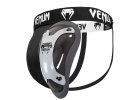
Choose combat sports protective gear for the punches, kicks or grappling you practise. This category includes mouthguards, headgear, hand wraps, shin, knee and elbow guards, and groin guards. Each covers a different area; build your kit around your class and your coach’s requirements.


Product sorting
Brands
Size
List of products


How to build your combat sports kit
Choose equipment for your training and check that the different pieces fit together.
What should I buy for my first training session?
First find out whether the session involves non-contact technique, bags and pads, or partner work. For striking on a bag, look at suitable gloves and hand wraps. If there is a contact section, check the requirements for other protection in advance.
There is no single minimum kit for every combat sport. Tell the club which class you are attending and ask what you can borrow. Your own mouthguard needs the right size and, where required, fitting; do not share it with others.
Is the kit different for boxing, kickboxing and MMA?
Boxing mainly needs equipment for punches. Use of headgear and a groin guard depends on the session and rules. Kickboxing and Muay Thai add kicks, so consider shin and instep coverage for partner drills too.
MMA combines strikes and grips: choose MMA gloves for the class type and check that guards stay in place during transitions to the ground. A pure grappling class needs a different setup because it does not practise the same strikes as stand-up training.
Does every piece have to be the same brand?
No, but the pieces need to work together. Try gloves with your hands wrapped, headgear with your mouthguard, and leg guards with your training clothes. Move in the complete setup: one piece should not push another out of position or restrict it.
The same size letter on headgear, gloves and a groin guard guarantees nothing. Select each item using its own measurements. Parts that connect to each other, such as a cup and its supporter, are an exception: check their specific compatibility.
How do I choose protection for a child?
Look for equipment intended for the child’s age and measurements, but always check the actual fit. An adult one-size model may not fit a child even when tightened. A guard should not slip, press painfully or block vision; the child should be able to move naturally.
For mouthguards, check the junior or adult version and whether the child has braces. Equipment needs and permitted contact depend on the children’s class, so discuss the list with the coach before buying. Recheck the fit after growth or changes to the teeth.
Can I compete in my training equipment?
Not every training model is permitted in competition. Check the organiser’s rules for guard type, allowed materials, required dimensions or weight, colour and any approval. The discipline and age division also matter.
The name “Competition”, an organisation’s logo or a sparring recommendation is not enough on its own. If buying for a particular event, confirm suitability with the organiser beforehand; rigid protectors, for example, may not be permitted in grappling.
How should I care for different equipment, and when should I retire it?
After training, take your kit out of the bag and let each piece dry as instructed. One washing method does not suit everything: fabric wraps, a groin guard cup and padded headgear have different care requirements. Store your mouthguard clean and dry in a ventilated case.
Before use, check for tears and inspect padding, seams and straps. Stop using damaged or poorly fitting pieces for contact training. Each category has more detailed care advice; protective gear does not replace agreed intensity and controlled technique.
For help with a specific model, contact info@bjp-store.cz. Include your discipline, class type and the models you are choosing between.